
The New Limited Ad Serving Policy
Could this affect your Google Ad Grants account?
If you manage your Google Ad Grants account, you’re probably familiar with how frequently Google Ads evolves. New features, policy updates, and changes to campaign eligibility are introduced on a regular basis, and while many of these updates are aimed at improving the “advertising ecosystem”, as Google calls it, they can sometimes have unintended consequences for nonprofit advertisers.
One recent change that caught our attention is Google’s new limited ad serving policy. While Google hasn’t announced any Ad Grants-specific changes related to this policy, its introduction raises important questions about whether it could affect how nonprofit campaigns are reviewed and served.
This wouldn’t be the first time Google Ads changes have had an impact on Ad Grants accounts without extensive communication. Several nonprofits will remember when Performance Max campaigns quietly stopped serving on Google Maps for Ad Grants accounts. There was no formal announcement, no advance warning, and many organizations only discovered the change after performance had already shifted.
At this stage, we can’t say whether the new limited ad serving policy has any direct implications for Google Ad Grants. However, because the policy introduces a new layer of ad serving restrictions, it’s worth understanding how it works, who it applies to, and whether nonprofit advertisers should be paying attention.
What Does Limited Ad Serving Mean?
Google recently introduced a policy that allows it to limit the number of impressions certain advertisers receive until they’ve established sufficient trust within the Google Ads advertising ecosystem. Importantly, this isn’t a policy violation. Your ads aren’t disapproved. Your account isn’t suspended.
Instead, Google simply reduces how often your ads are eligible to appear in situations it considers more susceptible to poor user experiences. According to Google, this is designed to protect users from misleading advertisers, low-quality experiences, and abuse on the platform. Only advertisers Google considers “qualified” can serve without these impression limits in affected auctions.
What Makes An Advertiser Qualified?
Google evaluates a combination of signals rather than one specific requirement. These include:
- Account maturity
- Advertiser verification status
- Overall history of policy compliance
- Account attributes
- User activity and reports
- Ad format usage
- Advertiser industry
To ensure you’re qualified, check if you comply with all Google Ads policies and complete advertiser verification if your account is eligible. While Google evaluates your account, continue running high-quality campaigns and ads that provide a positive experience for users. As your account builds trust, Google may automatically adjust or remove any ad serving limits.
How will you know you’re unqualified? According to Google, users who have a meaningful proportion of impressions in scope of this policy will receive an in-account notification. You can submit an appeal through Google’s Limited Ad Serving Appeals Form. Once Google determines that your account meets its qualification criteria, the serving limitations may be removed.
What Should Nonprofits Do?
Until Google provides more clarity, there isn’t a specific action required beyond following Google’s existing best practices. That includes:
- Completing advertiser verification if your organization is eligible.
- Maintaining full compliance with Google Ads and Google Ad Grants policies.
- Publishing high-quality and transparent landing pages that provide a positive user experience.
- Avoiding misleading or sensational ad copy.
- Continuing to build a consistent history of running compliant campaigns.
Conclusion
Whether or not Google’s limited ad serving policy ultimately affects Google Ad Grants accounts, it serves as another reminder that the platform is constantly evolving. New features, policy updates, and behind-the-scenes changes can influence campaign performance, often with little notice and limited documentation.
For organizations managing their own Ad Grants account, keeping up with these changes can be challenging. Beyond monitoring campaign performance, it’s important to stay on top of Google’s compliance requirements, advertiser verification, policy updates, and the many nuances that can affect an account over time.
Working with Google Ad Grants Certified Professionals helps ensure that these changes don’t go unnoticed. We stay up to date with the latest platform updates and policy developments, monitor accounts for potential issues, and maintain direct access to Google Support when problems arise or unexpected changes occur. Looking for expert Google Ad Grants management? Contact our team today!
Back to previous pageAsk our free AI chatbot.
Blog
Useful Nonprofit Marketing Tips & Tricks
- Ad Grants
- Tips
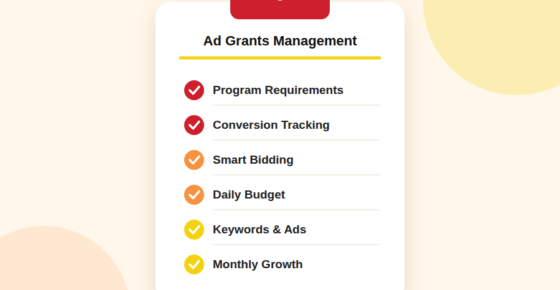
How To Manage Your Google Ad Grants Account?
Six habits of a well-run grant account.
Read more



- Ad Grants
- News
A Nonprofit’s Guide To Measuring AI Visibility
Know where your organisation appears.
Read more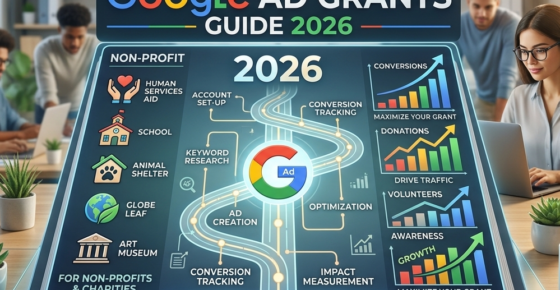
- Ad Grants
- News
The Ultimate Guide To Google Ad Grants 2026
Navigate Google Ad Grants with confidence.
Read more

Contact us directly or schedule a slot to talk to our expert team!
- AboveX Digital LLC
- 4023 Kennett Pike #50116, Wilmington, DE 19807 USA
- +1 (619) 330-9997
- Mon – Fri 9:00 am – 5:00 pm EST
- info@abovexdigital.com